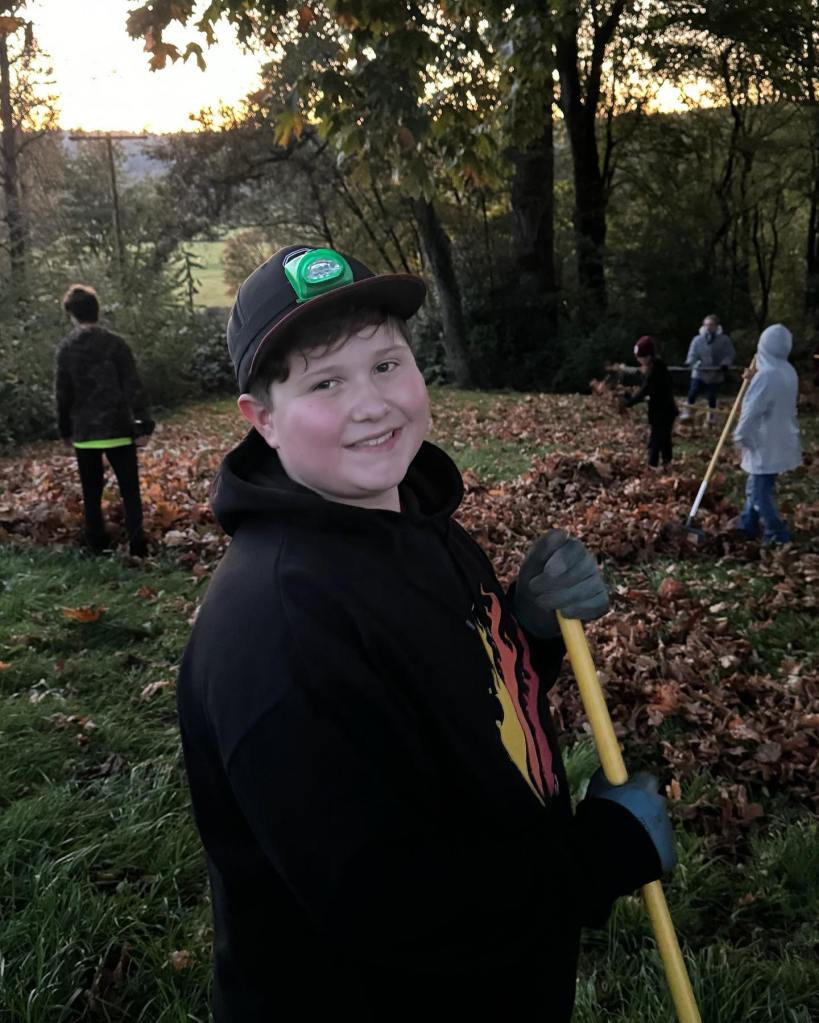
Throwback Thursday to the annual Scout cleanup at the Cherry Valley Pioneer Cemetery at the Dougherty Farmstead. This photo is from a few years ago and I remember doing this since they were little cubscouts. We had lucked out that year with some rain-free, beautiful weather.
Every year, Scouts come together to rake leaves, tidy up, and honor those who came before us. It’s more than just a cleanup, it’s a lesson in service, respect, and community pride.
We’re grateful for these opportunities to give back and to see the next generation learning the value of caring for the places and people that shaped Duvall.
Another thoughtful question from the Chamber Town Hall, this time on what makes Duvall a healthy, connected community.
Q: As Duvall continues to grow, how would you ensure that we preserve our small-town feel while meeting the needs of a changing population?
A: Preserving Duvall’s small-town feel is at the heart of every decision I make. It’s about growing thoughtfully—protecting what we love while preparing wisely for what’s next.
That means:
• Intentional growth management: Planning carefully for where and how development happens, so we maintain open spaces, walkable neighborhoods, and our natural beauty.
• Design standards and character-based planning: Ensuring new buildings and public spaces reflect Duvall’s unique charm.
• Engagement and transparency: Inviting residents into the planning process so growth reflects our vision, not just outside pressures.
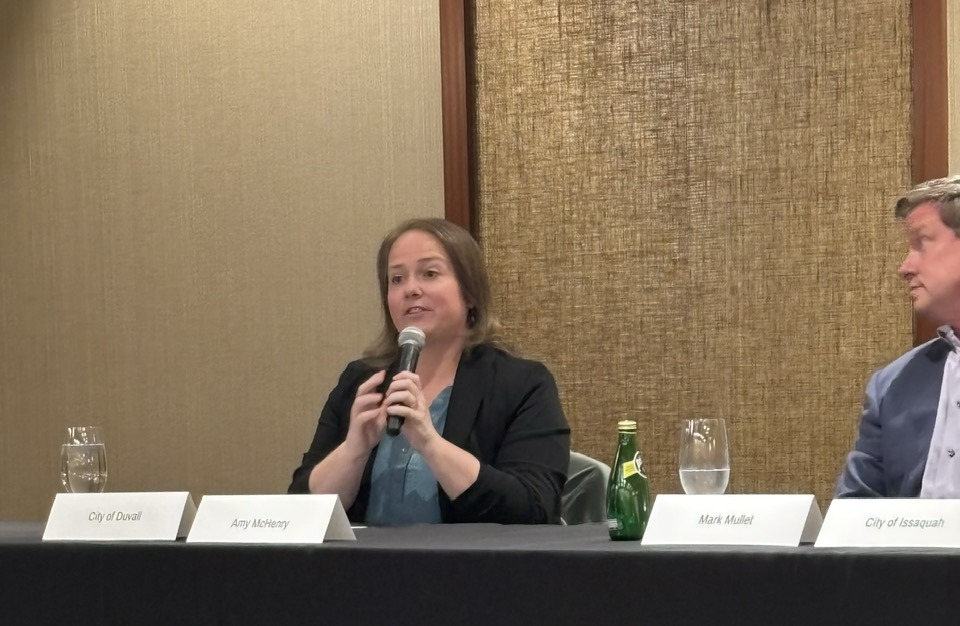
Last night, I had the honor of attending a mayoral candidate forum co-hosted by the Snoqualmie Tribe and the League of Women Voters of Seattle-King County, for a thoughtful, moderated discussion led by Paula Barnes. I will be sharing my answers over the next few posts.
Q: How will you ensure that responsible development and infrastructure projects do not compromise the long-term health of waterways, forests, and other critical natural areas?
A: Duvall’s setting along the Snoqualmie River and our surrounding forests that are part of a larger watershed means that every project, whether it’s a new development, a road improvement, or an infrastructure upgrade, has to be evaluated through the lens of long-term environmental health. We live in a truly special place, and one of our most important responsibilities as a city is to make sure that growth never comes at the expense of the natural environment that defines Duvall’s character and quality of life.
As mayor, I will ensure that every infrastructure and development decision aligns with three key principles.
First, protect what makes Duvall unique — our waterways, forests, and open spaces. That begins with enforcing the critical area protections that are already in place and making sure they’re not just words on paper but living policies that guide every project review. I’ll continue to prioritize investments in stormwater infrastructure, like upgrading our storm drains and maintaining our detention ponds, so that runoff from development doesn’t harm the Snoqualmie River or our salmon-bearing streams. Collaboration is also essential. The health of our watershed depends on partnerships beyond our city limits, so I’ll continue working closely with the Snoqualmie Tribe, the Snoqualmie Watershed Forum, and King County to share data, align policies, and take a regional approach to water quality and habitat restoration. These partnerships help us do things that one small city can’t do alone, such as regional salmon recovery efforts or grant funding for riparian buffer improvements.
Second, plan smarter. Duvall already does a lot right and has made a lot of progress in recent years, but I always bring a growth mindset, looking at how we can do better each time. We can accommodate growth within our existing urban growth boundary by focusing on infill development and supporting mixed-use areas that reduce vehicle trips, infrastructure strain, and sprawl. This approach allows us to grow responsibly while maintaining the rural edges and green spaces that residents value. We’ve already updated development standards to prioritize low-impact design- things like permeable pavement, native landscaping, and tree retention, that minimize runoff and preserve habitat. But science and technology continue to evolve, and so should our policies. I’ll make sure we continue reviewing and updating our codes to reflect the best available science and to better protect our sensitive areas, especially as climate impacts intensify.
Third, lead with transparency and accountability. Residents deserve to know why projects are approved, how environmental impacts are mitigated, and what tradeoffs are being considered. As mayor, I’ll continue supporting efforts to publish clear, accessible project summaries and maps online, and to provide early opportunities for community input before decisions are made. I think our staff already do a great job with this and community outreach before and during projects. I’ve seen firsthand how engaged our residents are when given the right information and opportunity to weigh in.
Finally, I believe responsible development and environmental stewardship can absolutely coexist- as long as the city takes an active, thoughtful role. Duvall’s success isn’t measured by how many homes or roads we build, but by how well we protect the resources that sustain us: our clean water, healthy forests, and open spaces. I’m committed to making sure Duvall grows in a way that future generations can be proud of. That means remembering that every decision we make today, from stormwater upgrades to zoning choices, shapes the community and the environment we’ll pass on tomorrow.
Another great question from the Duvall Chamber’s Candidate Town Hall — this one’s about Community Wellness & Quality of Life.
Q: Duvall’s identity depends not just on businesses but on a healthy, connected community. How would each of you define “community wellness,” and what key initiatives would you pursue to improve it?
A: To me, community wellness means a city where people feel safe, supported, connected, and proud to belong. It’s about more than services—it’s about how people experience daily life here.
I’d focus on:
• Investing in parks, trails, and gathering spaces that bring neighbors together.
• Supporting mental health and family resources, especially for youth and seniors, through partnerships with nonprofits and King County, as well as continuing to support our own Human Services Grant Program.
• Encouraging civic participation by making it easier for residents to volunteer, engage, and shape city decisions. I also plan to launch Civic 101 workshops—informal classes that help residents understand how local government works, empowering them to better advocate, participate, and lead within our community.
Here’s another question from the Duvall Chamber of Commerce Candidate Town Hall on Infrastructure, Growth & Accessibility.
Q: What are your priorities for improving transportation and parking?
A: Transportation and parking affect everyone in Duvall—residents, visitors, and businesses alike. A well-connected, accessible city supports both local commerce and quality of life.
My top priorities are:
• Improving traffic flow and safety along Main Street through crosswalk upgrades, signal coordination, and continued collaboration with regional partners
• Expanding and improving parking access by exploring shared-use lots, enhancing signage, and refreshing wayfinding. We already have more parking than people realize—it’s just not clearly marked or easy to find.
• Investing in safe walking and biking routes so residents can move through town comfortably and safely without always relying on cars.

 Amy McHenry for Duvall Mayor