3,000+ doors knocked!

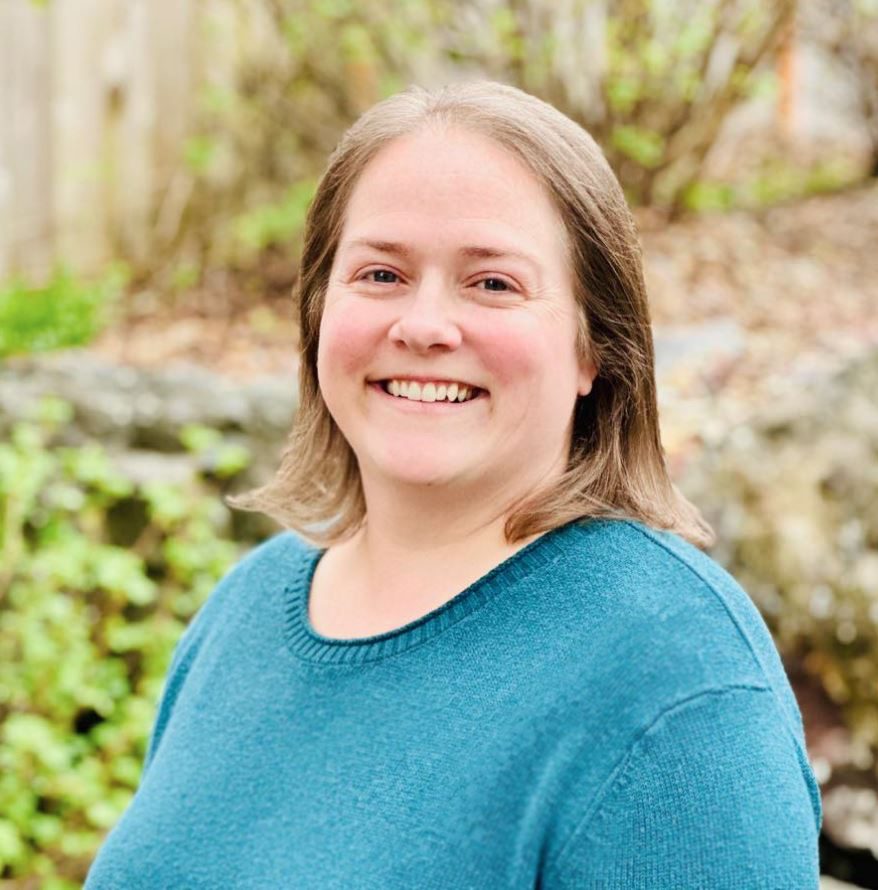
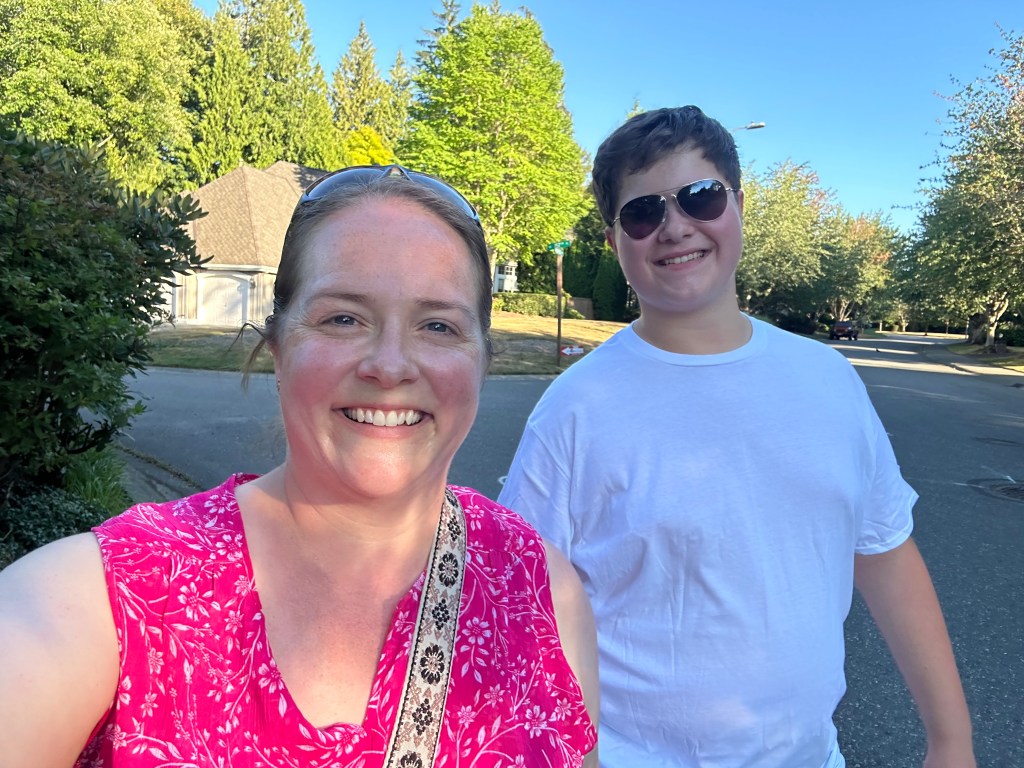
This week, I crossed a big milestone- I’ve personally knocked on over 3,000 doors here in Duvall. Thousands of conversations. And what I’ve heard over and over is how much people love this town and want to see it continue to thrive.

Every doorbell has been a reminder that Duvall’s strength comes from our people: neighbors who care deeply, volunteer often, and look out for one another.

To me, leadership means showing up and doing the work, not just during campaign season, but every single day. I’ll always be the kind of mayor who listens, works hard, and never asks anyone to do something I wouldn’t do myself. Doorbelling has been my favorite part of this campaign because it’s where I hear directly from you and every single conversation whether it’s on a driveway, porch or front steps, helps me better understand what matters most to our community.
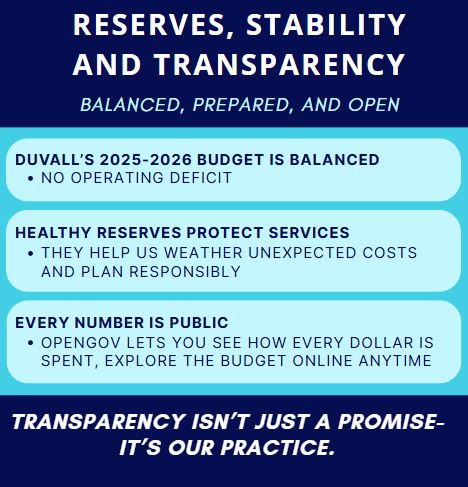
Reserves, Stability, and Transparency

The truth is simple: Duvall’s 2025–2026 budget is balanced.

We maintain healthy reserves across our funds — including our General Fund — to make sure we can weather unexpected costs or economic shifts without cutting services.

This budget uses a portion of those reserves for planned projects and investments- exactly what they’re there for. Those reserves aren’t “extra” money sitting around — they’re a sign of fiscal responsibility. They stabilize our city, protect essential services, and keep us prepared for the future.

And you don’t have to take my word for it. Every budget detail is published for the public to see on OpenGov. Transparency is how we build trust and keep our community informed: https://stories.opengov.com/…/published/6MBzSG4wW…

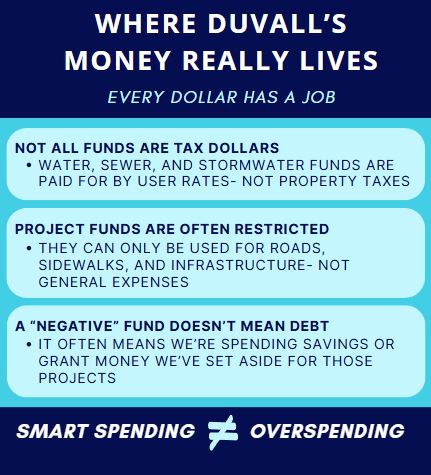
Where the Rest of the Money Lives

When you see numbers in the millions, it’s natural to wonder — is Duvall overspending?

Here’s what’s really happening:

A lot of our budget lives in restricted funds — like water, sewer, and stormwater utilities. Those are self-sustaining and paid for by user rates, not property taxes.

Then there are Capital and Street Funds, which rely on grants, impact fees, and savings for specific projects — like rebuilding 3rd Avenue or improving Main Street crossings.

Sometimes you’ll see a “negative” balance listed for one of those funds. That doesn’t mean the City is in debt — it often means we’re using reserves that were saved for exactly that purpose (for example, spending grant matches or construction savings).

In short: our funds are doing their jobs — maintaining the systems we rely on and investing in future improvements.

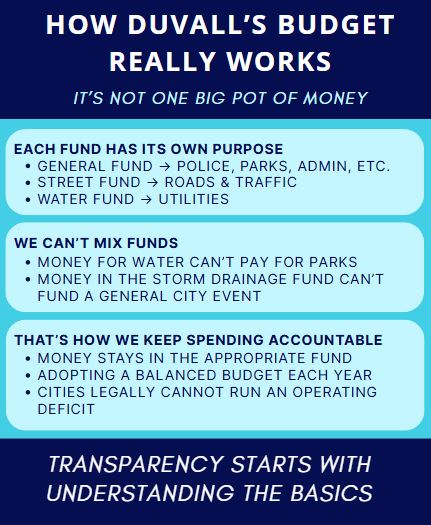
Duvall’s Budget Isn’t One Big Pot of Money

When people talk about “the city budget,” it sounds like one big bank account — but that’s not how it works.

Duvall’s budget is made up of many separate funds, each with its own purpose and rules. For example, money in the Storm Drainage Fund or Water Operations Fund cannot legally be shifted to build a park or pay for general city events.

In Washington State, cities are required by law (RCW 35A.33.075) to adopt a balanced budget every year. “Balanced” means the city’s planned expenses can’t exceed its expected revenues plus available reserves. Cities cannot legally spend money they don’t have — and unlike the federal government, we can’t run an operating deficit.

The General Fund is where things like police and administration are paid for. It’s also the part of the budget people usually mean when they ask about “deficits” or “surpluses.” Each of these funds has to stay balanced — we can’t borrow from one to cover another. So, while it’s tempting to say “just use that extra money for roads or police,” the law doesn’t allow it.

Clear, separate funding is how we keep Duvall accountable — and make sure your money goes exactly where it’s supposed to.

Stay tuned for more budget related posts over the next few days so I can address all the questions I’ve received recently about the City’s Budget!

Transparency Isn’t Just a Buzzword

In politics, “transparency” is often used so frequently that it can lose its meaning. To me, true transparency means allowing the public to see everything the government does—clearly, fully, and without spin.

Too often, information is softened or framed to cushion the public’s reaction. I believe we should deliver the facts as they are, letting residents form their own opinions and respond openly. Honest reactions are part of the decision-making process, and government shouldn’t try to stifle them.

As your Councilmember over the past 8 years, I’ve put this philosophy into practice: I’ve shared information openly, encouraged questions, held conversations with residents, and worked to integrate community feedback into city policies whenever possible. This is how trust is built—by showing that public voices shape decisions, not just commentary.

I believe civic engagement doesn’t end at the ballot box. Being elected doesn’t mean doing a job “your way”—it means working in partnership with the people you serve. I will continue to prioritize open conversations, listening, and making decisions that reflect the community’s voice.