During the Snoqualmie Tribe Mayoral Candidate Forum we had time for one audience question: How will you address flood risks for residents and help keep flood insurance low for homeowners?
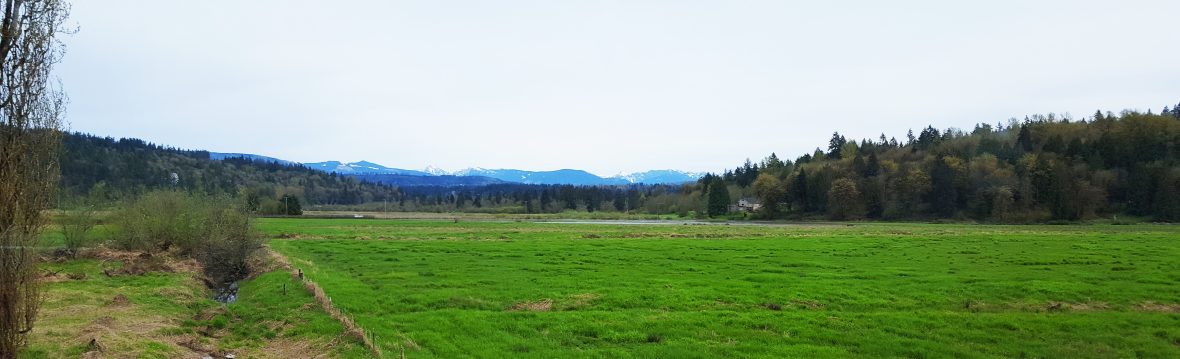
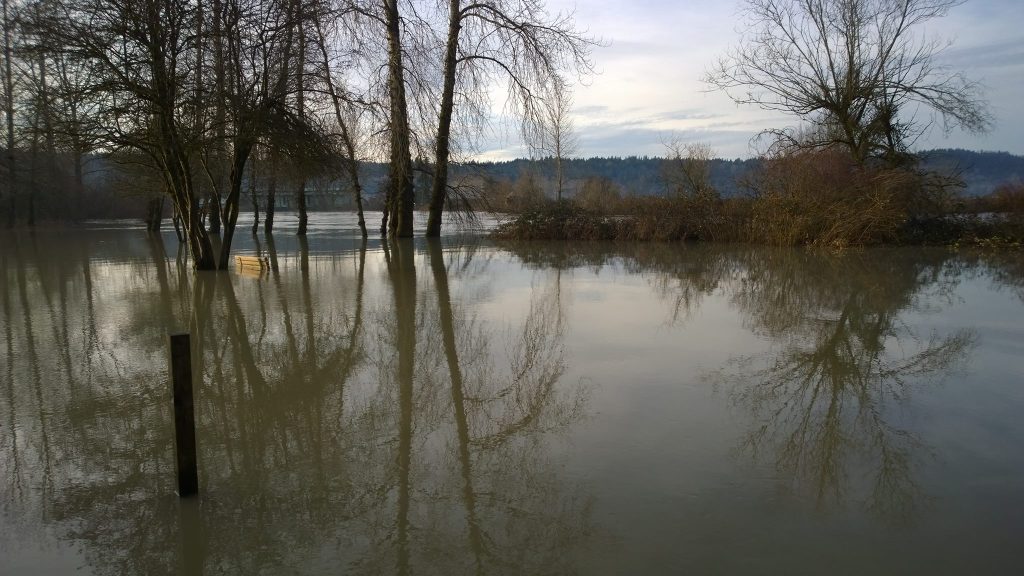
A: Flooding is a part of our local landscape, given Duvall’s location along the Snoqualmie River, so it’s important that we continue managing those risks responsibly. While most of the city limits are outside regular flood zones, we do have some low-lying areas within the 100-year and 500-year floodplains.
For most residents, the biggest impacts of flooding are mobility and access. We have one main road across the valley that closes during most floods reaching even minor flood stage. When that happens, it puts tremendous strain on our remaining routes. In major floods, both the north and south sections of the highway can go under water, leaving Duvall effectively isolated.
That’s why one of the most important things we can do is continue active participation on the King County Flood Control District Advisory Committee. Having a seat at that table ensures Duvall’s needs are heard when regional flood investments and priorities are being decided because the Snoqualmie Valley faces unique challenges that require regional solutions. I currently serve on that committee as an alternate member.
Locally, our focus should be on maintaining and upgrading stormwater infrastructure to help reduce impacts from major rainfall events, protecting natural floodplain areas that help absorb excess water, and ensuring clear communication and coordination during high-water events.
In terms of flood insurance, Duvall could explore joining FEMA’s Community Rating System (CRS) in the future. Participation rewards communities that take proactive flood mitigation steps and can help lower premiums for residents. King County already participates and demonstrates strong floodplain management practices, which could support Duvall if we decide to pursue our own application. Because most of our homes are not in floodplains, we’d need to assess whether the cost and benefits would justify the effort- but it’s worth evaluating.
Finally, homeowner education and individual preparedness remain key parts of our approach. Even though most of our city isn’t directly in a floodplain, staying proactive through regional collaboration and strong local planning is how we keep residents safe and protect property and access for the long term.
 Amy McHenry for Duvall Mayor