Snoqualmie Tribe Forum Q&A

During the Snoqualmie Tribe Mayoral Candidate Forum we had time for one audience question: How will you address flood risks for residents and help keep flood insurance low for homeowners?

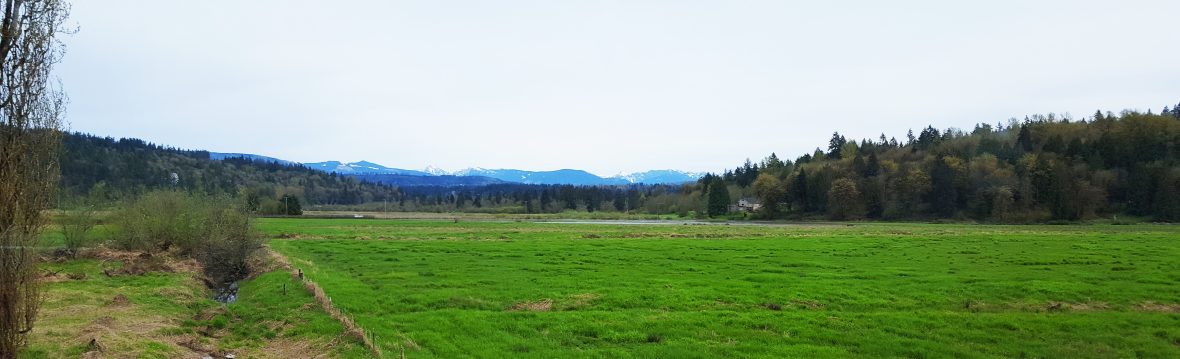
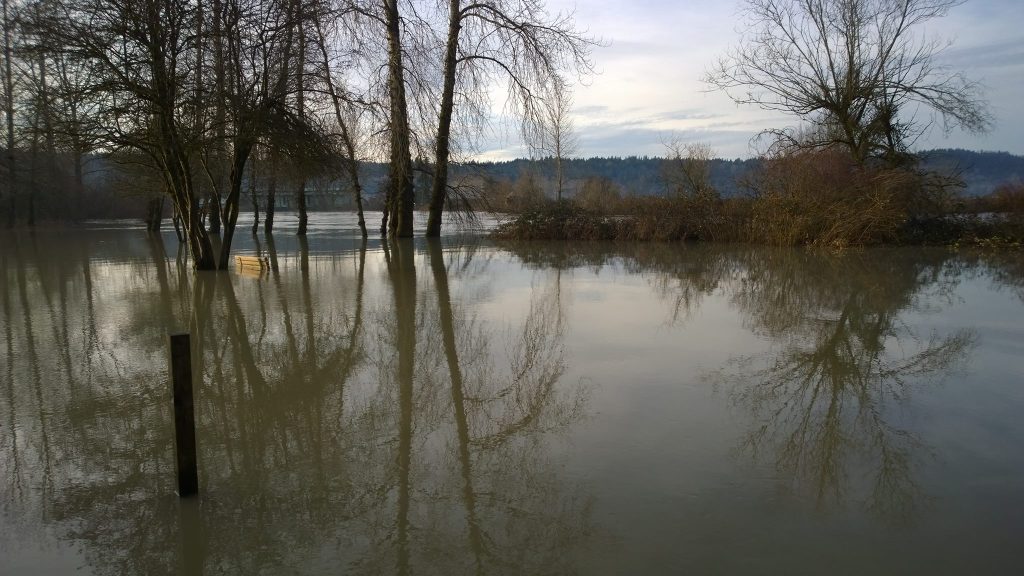
A: Flooding is a part of our local landscape, given Duvall’s location along the Snoqualmie River, so it’s important that we continue managing those risks responsibly. While most of the city limits are outside regular flood zones, we do have some low-lying areas within the 100-year and 500-year floodplains.

For most residents, the biggest impacts of flooding are mobility and access. We have one main road across the valley that closes during most floods reaching even minor flood stage. When that happens, it puts tremendous strain on our remaining routes. In major floods, both the north and south sections of the highway can go under water, leaving Duvall effectively isolated.

That’s why one of the most important things we can do is continue active participation on the King County Flood Control District Advisory Committee. Having a seat at that table ensures Duvall’s needs are heard when regional flood investments and priorities are being decided because the Snoqualmie Valley faces unique challenges that require regional solutions. I currently serve on that committee as an alternate member.

Locally, our focus should be on maintaining and upgrading stormwater infrastructure to help reduce impacts from major rainfall events, protecting natural floodplain areas that help absorb excess water, and ensuring clear communication and coordination during high-water events.

In terms of flood insurance, Duvall could explore joining FEMA’s Community Rating System (CRS) in the future. Participation rewards communities that take proactive flood mitigation steps and can help lower premiums for residents. King County already participates and demonstrates strong floodplain management practices, which could support Duvall if we decide to pursue our own application. Because most of our homes are not in floodplains, we’d need to assess whether the cost and benefits would justify the effort- but it’s worth evaluating.

Finally, homeowner education and individual preparedness remain key parts of our approach. Even though most of our city isn’t directly in a floodplain, staying proactive through regional collaboration and strong local planning is how we keep residents safe and protect property and access for the long term.
Snoqualmie Tribe Forum Q&A

Here is another question from the mayoral candidate forum co-hosted by the Snoqualmie Tribe and the League of Women Voters of Seattle-King County.

Q: What policies or initiatives would you champion to protect and maintain our community’s open spaces, like parks, forests, and natural areas, to strengthen climate resiliency?

A: Duvall’s open spaces aren’t just beautiful- they’re essential to our quality of life, our climate resiliency, and our small-town identity. They shape who we are as a community. Our forests, trails, and riverfront spaces give residents room to breathe, connect, and recharge, while also serving as natural infrastructure: filtering water, preventing erosion, and providing habitat for native species. As mayor, I’ll focus on three priorities: preservation, restoration, and connection.

First, preservation. Preservation starts with smart land use policy, making sure that as we grow, we’re not losing the very character that draws people to Duvall in the first place. We’ve made real progress here, including protecting critical habitat areas and, most recently, acquiring a key parcel before it was developed — an example of how the city can act quickly and strategically when opportunities arise.

I’ll continue to explore conservation partnerships and grant programs that allow us to identify and protect priority parcels before they’re gone. That includes working with regional and state partners to secure funding for open space acquisition and easements. These partnerships can stretch local dollars and help us protect land that benefits not just Duvall, but the larger Snoqualmie Valley ecosystem.

Our Parks, Trails, and Open Space Plan has a stronger emphasis on habitat corridors, floodplain health, and ecological connectivity — not just recreation. Recreation is important, but true climate resilience means designing our open space network to support both people and wildlife, and to buffer against future flooding and temperature extremes.

Second, restoration. Restoration is about caring for what we already have. Duvall’s parks, streams, and natural areas are heavily used and deeply loved, but they also need ongoing care and investment. The city can play a stronger role in coordinating partnerships and volunteer groups, especially around invasive species management, tree canopy improvement, and climate-adapted native plantings.

I’d like to see a “Green Duvall” initiative that brings these efforts together under one umbrella, connecting tree planting, stream buffer restoration, and community stewardship programs into one coordinated vision. That could include things like a community tree nursery, volunteer restoration days, and partnerships with schools to engage youth in local ecology and climate learning. Small cities can make a big impact through consistent, community-based action, and Duvall has the passion and volunteer base to lead on that front.

Third, connection. Connection means ensuring our open spaces serve both people and nature, creating opportunities for residents to connect with each other and with the natural environment. Strengthening our trail network is a great example. When we connect neighborhoods to parks and natural areas, we make it easier for people to walk or bike instead of drive, reducing emissions while encouraging recreation and health. Every dollar we invest in maintaining and restoring our natural spaces pays back many times over, in flood protection, cleaner air and water, lower heat impacts, and stronger community pride.

Protecting Duvall’s open spaces isn’t just an environmental goal, it’s an investment in community resilience, local identity, and future generations. Duvall has always cared deeply about its natural surroundings, and as mayor, I’ll make sure that care continues to guide every choice we make so that 20, 30, even 50 years from now, people will still recognize the same green, vibrant, and connected community we all love today.

Throwback Thursday

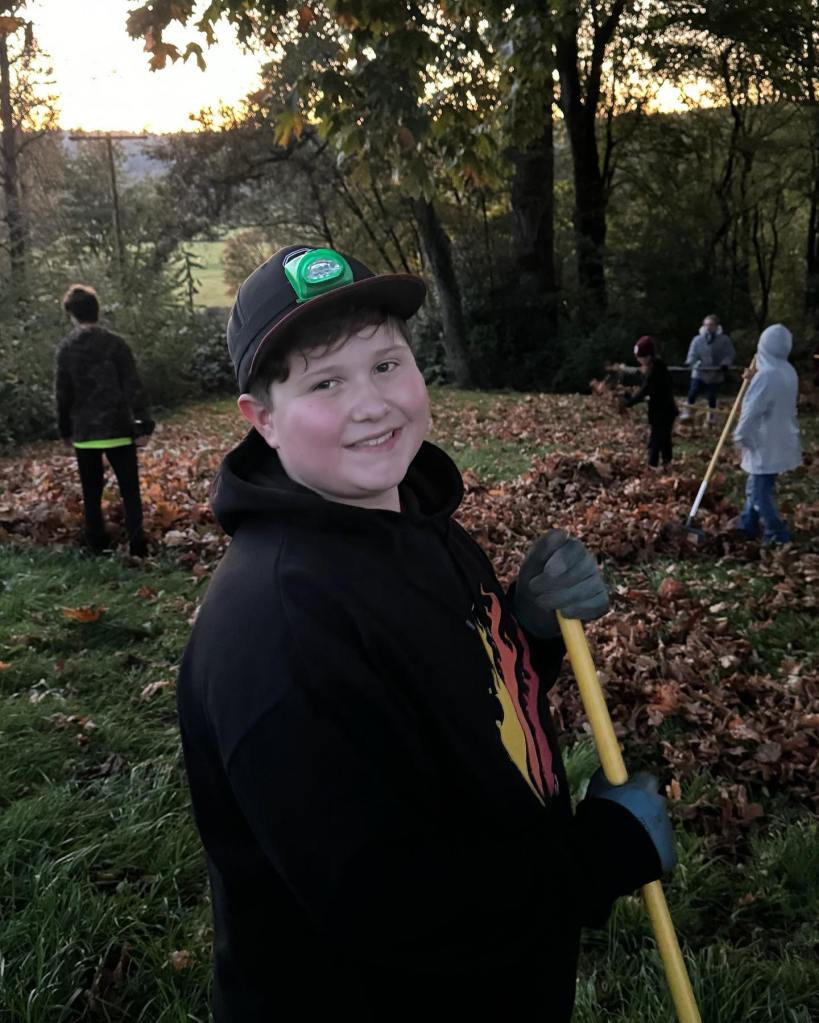
Throwback Thursday to the annual Scout cleanup at the Cherry Valley Pioneer Cemetery at the Dougherty Farmstead. This photo is from a few years ago and I remember doing this since they were little cubscouts. We had lucked out that year with some rain-free, beautiful weather.

Every year, Scouts come together to rake leaves, tidy up, and honor those who came before us. It’s more than just a cleanup, it’s a lesson in service, respect, and community pride.

We’re grateful for these opportunities to give back and to see the next generation learning the value of caring for the places and people that shaped Duvall.

Snoqualmie Tribe Forum Q&A

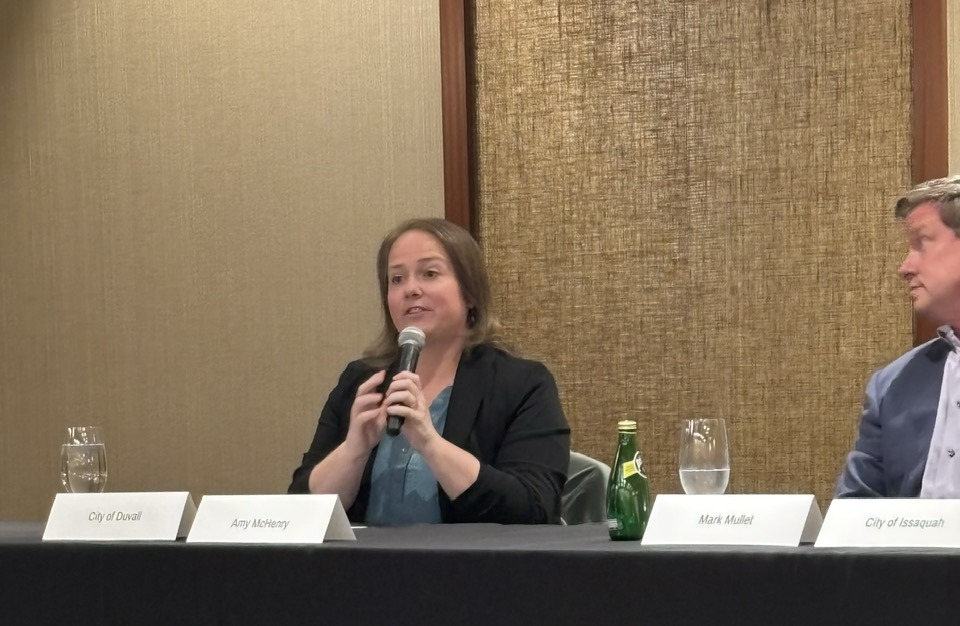
Last night, I had the honor of attending a mayoral candidate forum co-hosted by the Snoqualmie Tribe and the League of Women Voters of Seattle-King County, for a thoughtful, moderated discussion led by Paula Barnes. I will be sharing my answers over the next few posts.

Q: How will you ensure that responsible development and infrastructure projects do not compromise the long-term health of waterways, forests, and other critical natural areas?

A: Duvall’s setting along the Snoqualmie River and our surrounding forests that are part of a larger watershed means that every project, whether it’s a new development, a road improvement, or an infrastructure upgrade, has to be evaluated through the lens of long-term environmental health. We live in a truly special place, and one of our most important responsibilities as a city is to make sure that growth never comes at the expense of the natural environment that defines Duvall’s character and quality of life.

As mayor, I will ensure that every infrastructure and development decision aligns with three key principles.

First, protect what makes Duvall unique — our waterways, forests, and open spaces. That begins with enforcing the critical area protections that are already in place and making sure they’re not just words on paper but living policies that guide every project review. I’ll continue to prioritize investments in stormwater infrastructure, like upgrading our storm drains and maintaining our detention ponds, so that runoff from development doesn’t harm the Snoqualmie River or our salmon-bearing streams. Collaboration is also essential. The health of our watershed depends on partnerships beyond our city limits, so I’ll continue working closely with the Snoqualmie Tribe, the Snoqualmie Watershed Forum, and King County to share data, align policies, and take a regional approach to water quality and habitat restoration. These partnerships help us do things that one small city can’t do alone, such as regional salmon recovery efforts or grant funding for riparian buffer improvements.

Second, plan smarter. Duvall already does a lot right and has made a lot of progress in recent years, but I always bring a growth mindset, looking at how we can do better each time. We can accommodate growth within our existing urban growth boundary by focusing on infill development and supporting mixed-use areas that reduce vehicle trips, infrastructure strain, and sprawl. This approach allows us to grow responsibly while maintaining the rural edges and green spaces that residents value. We’ve already updated development standards to prioritize low-impact design- things like permeable pavement, native landscaping, and tree retention, that minimize runoff and preserve habitat. But science and technology continue to evolve, and so should our policies. I’ll make sure we continue reviewing and updating our codes to reflect the best available science and to better protect our sensitive areas, especially as climate impacts intensify.

Third, lead with transparency and accountability. Residents deserve to know why projects are approved, how environmental impacts are mitigated, and what tradeoffs are being considered. As mayor, I’ll continue supporting efforts to publish clear, accessible project summaries and maps online, and to provide early opportunities for community input before decisions are made. I think our staff already do a great job with this and community outreach before and during projects. I’ve seen firsthand how engaged our residents are when given the right information and opportunity to weigh in.

Finally, I believe responsible development and environmental stewardship can absolutely coexist- as long as the city takes an active, thoughtful role. Duvall’s success isn’t measured by how many homes or roads we build, but by how well we protect the resources that sustain us: our clean water, healthy forests, and open spaces. I’m committed to making sure Duvall grows in a way that future generations can be proud of. That means remembering that every decision we make today, from stormwater upgrades to zoning choices, shapes the community and the environment we’ll pass on tomorrow.