Here is another question from the mayoral candidate forum co-hosted by the Snoqualmie Tribe and the League of Women Voters of Seattle-King County.
Q: What policies or initiatives would you champion to protect and maintain our community’s open spaces, like parks, forests, and natural areas, to strengthen climate resiliency?
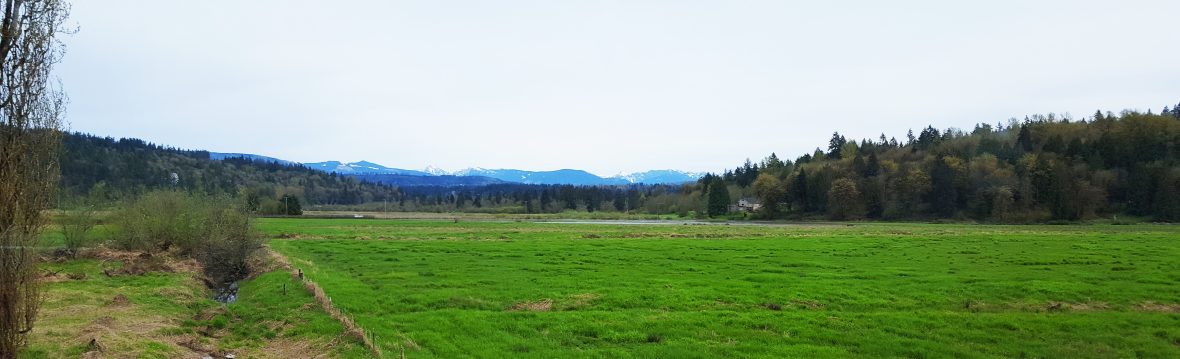
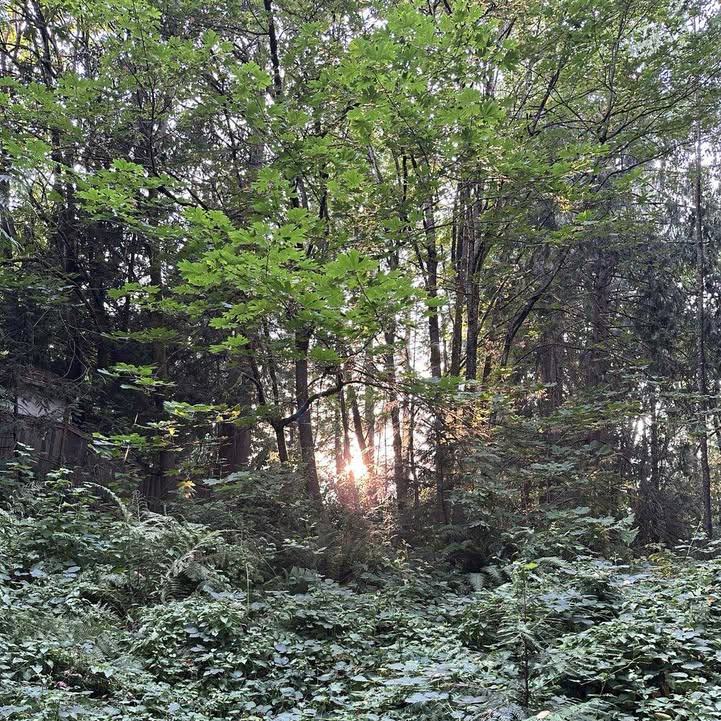
A: Duvall’s open spaces aren’t just beautiful- they’re essential to our quality of life, our climate resiliency, and our small-town identity. They shape who we are as a community. Our forests, trails, and riverfront spaces give residents room to breathe, connect, and recharge, while also serving as natural infrastructure: filtering water, preventing erosion, and providing habitat for native species. As mayor, I’ll focus on three priorities: preservation, restoration, and connection.
First, preservation. Preservation starts with smart land use policy, making sure that as we grow, we’re not losing the very character that draws people to Duvall in the first place. We’ve made real progress here, including protecting critical habitat areas and, most recently, acquiring a key parcel before it was developed — an example of how the city can act quickly and strategically when opportunities arise.
I’ll continue to explore conservation partnerships and grant programs that allow us to identify and protect priority parcels before they’re gone. That includes working with regional and state partners to secure funding for open space acquisition and easements. These partnerships can stretch local dollars and help us protect land that benefits not just Duvall, but the larger Snoqualmie Valley ecosystem.
Our Parks, Trails, and Open Space Plan has a stronger emphasis on habitat corridors, floodplain health, and ecological connectivity — not just recreation. Recreation is important, but true climate resilience means designing our open space network to support both people and wildlife, and to buffer against future flooding and temperature extremes.
Second, restoration. Restoration is about caring for what we already have. Duvall’s parks, streams, and natural areas are heavily used and deeply loved, but they also need ongoing care and investment. The city can play a stronger role in coordinating partnerships and volunteer groups, especially around invasive species management, tree canopy improvement, and climate-adapted native plantings.
I’d like to see a “Green Duvall” initiative that brings these efforts together under one umbrella, connecting tree planting, stream buffer restoration, and community stewardship programs into one coordinated vision. That could include things like a community tree nursery, volunteer restoration days, and partnerships with schools to engage youth in local ecology and climate learning. Small cities can make a big impact through consistent, community-based action, and Duvall has the passion and volunteer base to lead on that front.
Third, connection. Connection means ensuring our open spaces serve both people and nature, creating opportunities for residents to connect with each other and with the natural environment. Strengthening our trail network is a great example. When we connect neighborhoods to parks and natural areas, we make it easier for people to walk or bike instead of drive, reducing emissions while encouraging recreation and health. Every dollar we invest in maintaining and restoring our natural spaces pays back many times over, in flood protection, cleaner air and water, lower heat impacts, and stronger community pride.
Protecting Duvall’s open spaces isn’t just an environmental goal, it’s an investment in community resilience, local identity, and future generations. Duvall has always cared deeply about its natural surroundings, and as mayor, I’ll make sure that care continues to guide every choice we make so that 20, 30, even 50 years from now, people will still recognize the same green, vibrant, and connected community we all love today.
 Amy McHenry for Duvall Mayor